A project dedicated to supporting entrepreneurs in the implementation of initiatives aimed at reducing water resource consumption and pollutant emissions.
Entrepreneurs participating in the project are covered by a comprehensive training and research programme and are selected based on an analysis of the chosen economic sector (textile, chemical, food, pharmaceutical industries).
The programme is dedicated to water-intensive industrial sectors with a high level of consumer-driven environmental impact, e.g. the textile industry.
We invite you to participate in free training courses and workshops.
The project includes three tasks:
Task No. 1
A series of training courses and workshops for entrepreneurs interested in implementing wastewater treatment and water recovery technologies in their enterprises.
Task No. 2
Preliminary R&D studies aimed at selecting appropriate wastewater treatment and water recovery technologies for the selected enterprise.
Task No. 3
Monitoring of water quality and environmental parameters as well as associated ecosystems, together with an assessment of possibilities to prevent water resource losses.
Dedicated Technological Solutions For Wastewater Treatment And Water Recovery
Water Audit
Water Audit
Process assumptions for technologies reducing water consumption and information on funding sources for their implementation
- Project entitled: “Water – a priceless resource: actions for its protection”
Co-financed from the state budget under the programme of the Minister of Education and Science
“Science for Society II” Project No. NdS-II/SN/0269/2023/01 - Funding amount: PLN 994,800.00 Total project value: PLN 994,800.00
- Project duration: 2023–2025
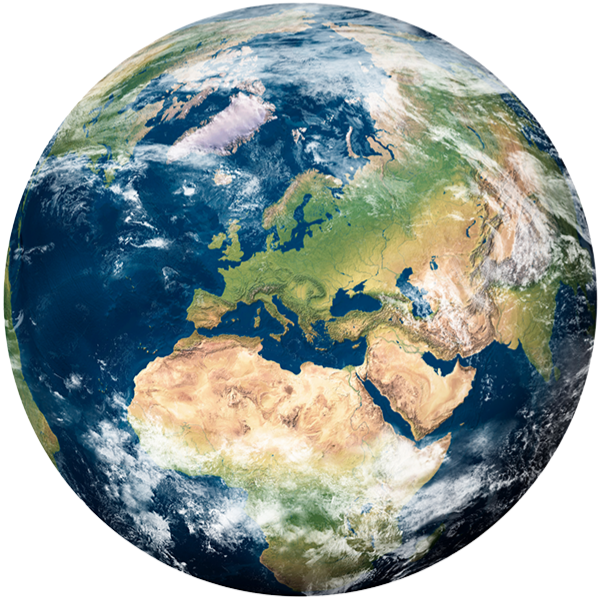
Global Water Resources
Water: 71%
Land: 29%
Surface waters are classified into three quality classes:
- Contamination up to 1% – potable water
- Contamination up to 6% – water used for recreation and animal breeding
- Contamination up to 33% – water used for industry and irrigation
Waters with a contamination level of 60% are considered out-of-class waters.
- 2.1 billion people worldwide lack access to clean drinking water
- In Europe, over 100 million people lack access to clean drinking water
- Demand for drinking water will increase by 55% by 2050
- 40% of the Earth’s surface experiences limited access to drinking water (deserts and arid regions)
- The condition of global water resources is deteriorating due to urbanisation, industrial and agricultural development,and population growth
Water Status In Europe
- Approximately 247,000 million m³ of water is abstracted annually in the EU from groundwater and surface water sources.
- The largest share (44%) is used for cooling in energy production, with most of this water returned to rivers.
- Agriculture and food production account for 24% of water abstraction, reaching up to 80% in southern regions.
- 17% is used by public water supply networks; 15% by industry.
- Half of industrial water use occurs in the chemical sector and oil refineries, with the remainder mainly consumed by the metal, paper and food processing industries.
Water Status In Poland

Only 1.8% of rivers
have first-class water quality
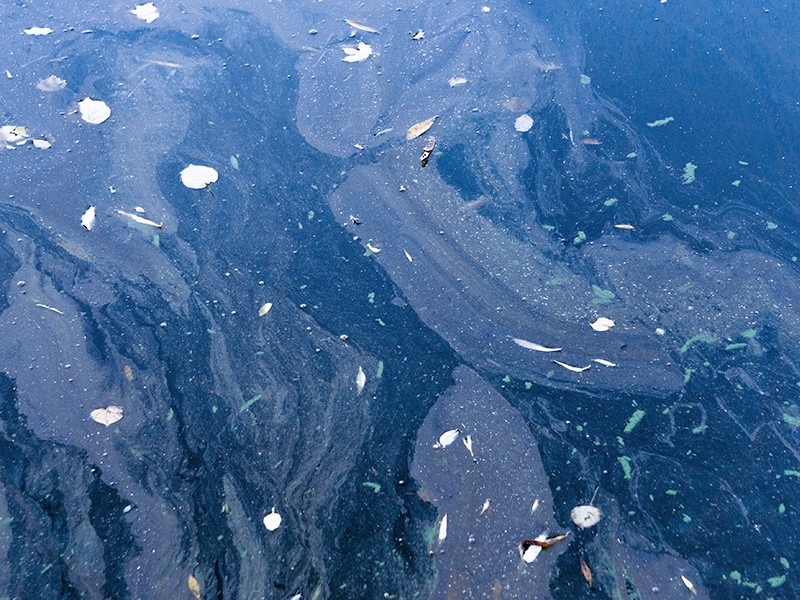
Nearly 31% of rivers
are classified as out-of-class waters
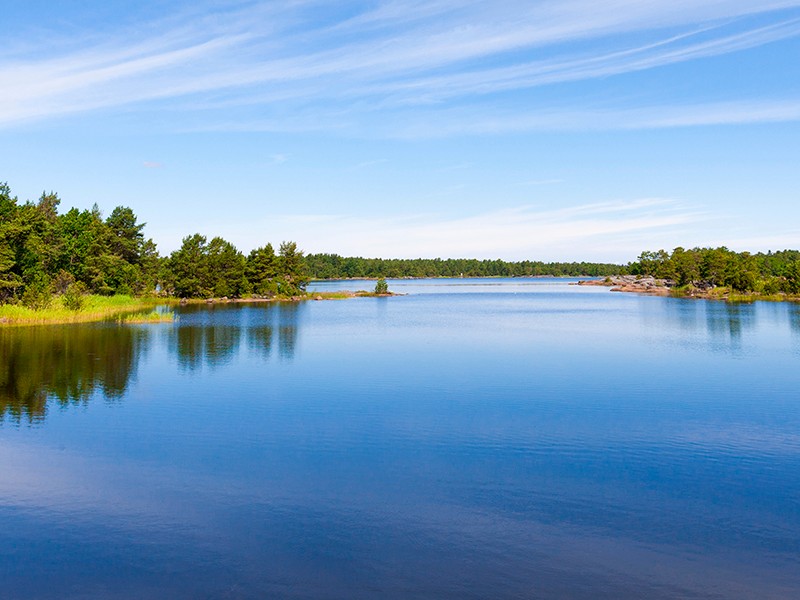
Most Polish lakes
contain second- and third-class waters
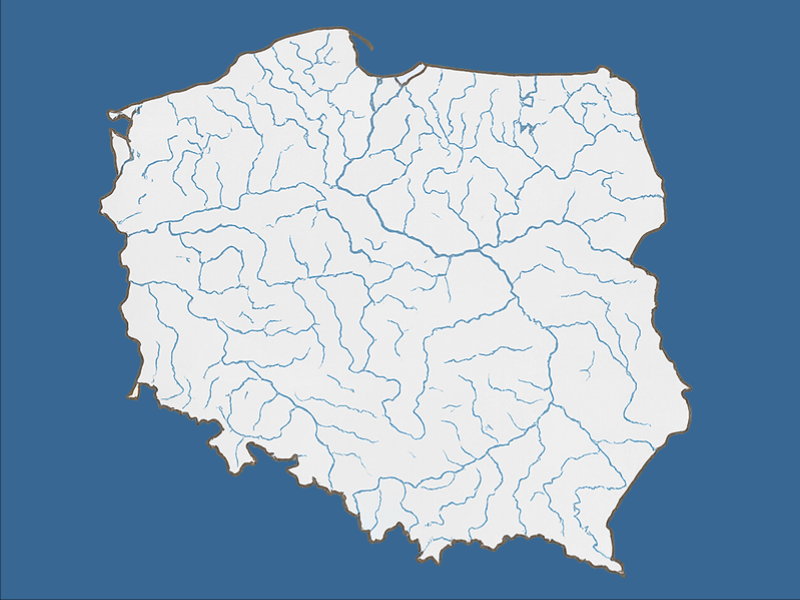
Sources of water resources:
- mineral waters
- lake waters
- river waters
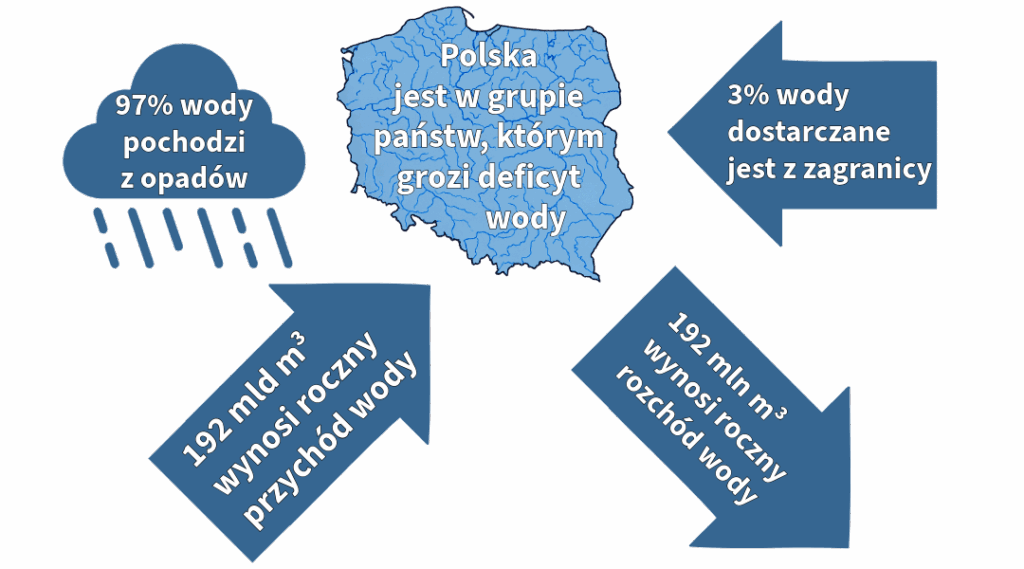
Although global and national water resources appear substantial, the situation is critical. Climate dependence, limited drinking water availability and increasing pollution threaten future access to water. The state of water management is alarming and highlights the importance of environmental education.
Water availability per capita in Poland: ~1,700 m³/year
European average: ~4,600 m³/year
Poland is considered a country with relatively scarce water resources due to the following: Low precipitation levels,
High evaporation, Inefficient water management
Characteristics of Poland’s water resources:
- High seasonal variability
Uneven spatial distribution
9% of water originates from precipitation
Annual water inflow: 192 billion m³
Annual water outflow: 192 billion m³
3% of water is supplied from abroad
Poland is among the countries at risk of water deficit. - uneven distribution
PhD Eng. Magdalena Olak-Kucharczyk
+48 42 61 63 145
e-mail: magdalena.olak-kucharczyk@lit.lukasiewicz.gov.pl
PhD Eng. Anetta Walawska
+48 426 163 114
e-mail: anetta.walawska@lit.lukasiewicz.gov.pl
doctor Iwona Kucińska – Król
tel. +48 42 61 63 115
e-mail: iwona.kucinska-krol@lit.lukasiewicz.gov.pl
